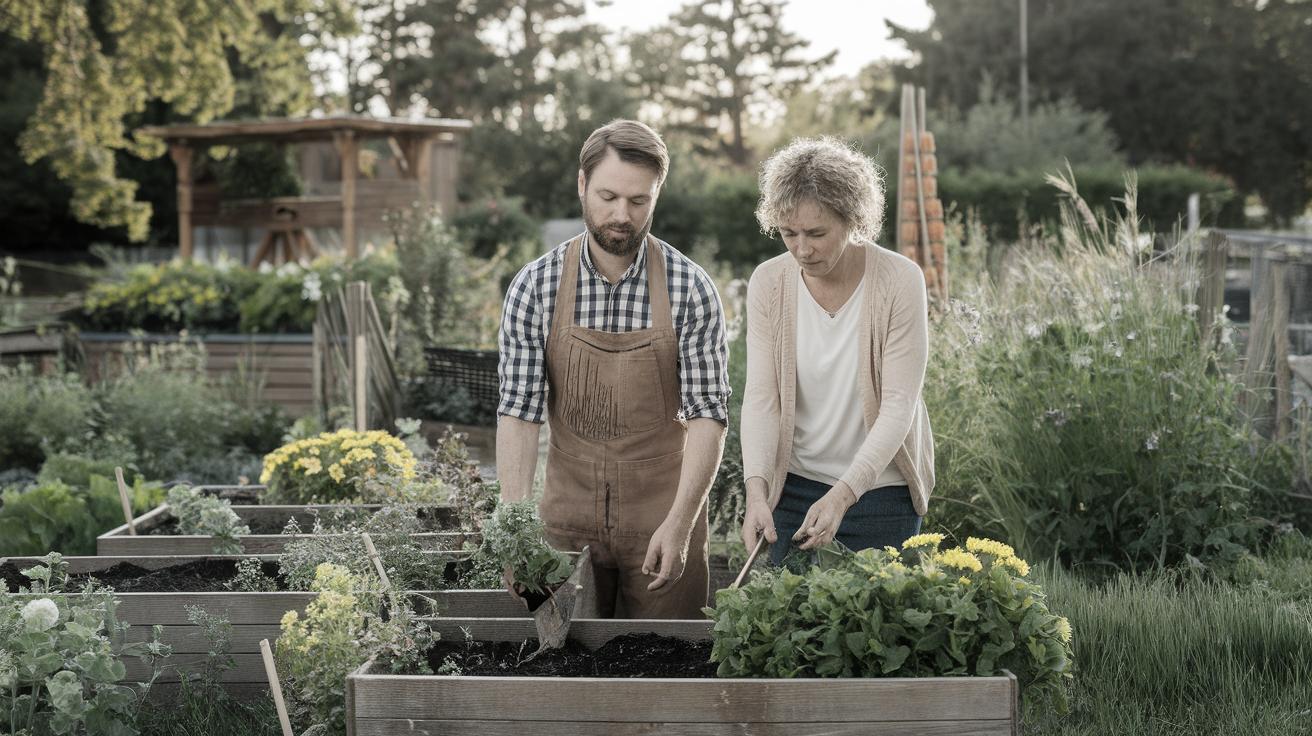
How to Build a Bird-Friendly Garden
Incorporating nature into your garden is a rewarding way to create a sanctuary for local birdlife. By considering key elements like shelter, food, and water, you can transform your outdoor space into a haven for feathered friends. This guide will walk you through practical steps to make your garden more bird-friendly, including tips on providing shelter, ensuring a reliable food source, and maintaining safe water access. Additionally, we’ll cover safety tips for ensuring a peaceful coexistence with backyard birds and ways to stay updated on bird-friendly gardening practices. Get ready to enjoy the vibrant life and music that birds bring to your backyard setting.
Ways to Start Gardening for Birds Today
Bird-friendly gardening begins with understanding and meeting the basic needs of birds. One of the simplest ways to start is by observing the types of birds native to your area and incorporating their preferences into your landscape design. Native plants are an excellent choice as they naturally support local wildlife. Enrich your garden with a variety of plants that provide shelter, food, and nesting opportunities at different heights.
If you’re new to gardening, start small by integrating fruit-bearing shrubs, seed plants, and flowering species. These plants provide natural sustenance while adding beauty to your outdoor space. Watch as the influx of birds enhances the biodiversity of your garden, ultimately creating a sustainable environment where both flora and avian fauna can thrive.
1. Shelter Shortcuts
Throwing Shade, or Growing Shade?
Shelter is crucial for birds, providing protection from weather and predators. Natural shelter can be created by planting trees and shrubs in strategic locations to offer cover throughout the year. Dense foliage offers places to hide and rest, while leafy canopies protect from sun and rain.
Consider varying the density and types of plants to mimic different layers of a natural habitat. Incorporate evergreens that maintain their foliage all year, ensuring winter protection. Deciduous trees, on the other hand, offer seasonal advantages such as nesting sites when leaves are abundant.
Make a Nest Helper
Encouraging birds to nest in your garden is a fantastic way to increase your feathered visitors. Provide materials like twigs, yarn, or pet fur in a mesh bag and hang it in a sheltered spot. Birds often utilize these resources to build their homes.
You can also install birdhouses to support species that prefer enclosed spaces. Choose designs appropriate for local birds, ensuring they have proper ventilation and easy access for cleaning. Position these homes at varied heights for different types of birds, from swallows to wrens.
2. Food for Thought
Providing a consistent food source is vital for sustaining bird visitors. Plant flowers, shrubs, and trees that offer seeds, berries, or nectar, catering to diverse diets. You can diversify food offerings by installing bird feeders filled with seeds or suet tailored for your area’s birds.
Understand the feeding habits of your local bird species to curate specific food choices. Seasonal adjustments to your feeding strategy can address changes in diet as various species migrate or prepare for breeding. Always clean feeders regularly to prevent disease and mold.
3. Water, Water, Anywhere?
Water not only attracts thirsty birds but also aids in preening and cooling. Birdbaths are popular features, providing essential drinking and bathing opportunities. Ensure consistency by maintaining fresh and clean water, especially during hot and dry seasons.
To add an appealing twist, try incorporating a water feature like a bubbling fountain or dripper, which can draw attention and make your garden lively. Birds are drawn to the sound of moving water, increasing the chance of visitations from a variety of species.
Backyard Bird Safety
Safety is paramount in maintaining a bird-friendly garden. Minimize hazards such as exposed windows, which can be perilous during flight. Consider applying decals or curtains to areas prone to bird strikes.
Protect your garden from predators by installing bird feeders away from areas where cats and other wildlife can lurk. Creating a buffer of thorny plants around feeding and nesting sites can deter potential predators while providing safety for the birds.
Subscribe to WildSense Newsletter
Staying informed about bird-friendly gardening practices keeps your efforts effective and enriching. Consider subscribing to the WildSense Newsletter for insights, tips, and updates directly into your inbox.
Check Out the Website!
Birdgardens.ca
Explore in-depth resources and connect with a community passionate about nurturing bird habitats. The website offers a plethora of information suited for novice to advanced bird enthusiasts seeking to expand their knowledge.
Share This News
Spread the word about your bird-friendly garden and inspire others to create their avian havens. Sharing articles, photos, and experiences can promote a network of gardens wherever you go.
Next Steps
| Topics | Key Actions |
|---|---|
| Ways to Start Gardening for Birds Today | Begin with native plants and integrate fruit-bearing shrubs and flowering species. |
| Shelter Shortcuts | Create natural shelters with trees and provide nesting materials. |
| Food for Thought | Utilize diverse plants and feeders based on local bird dietary needs. |
| Water, Water, Anywhere? | Add birdbaths and moving water features to the garden. |
| Backyard Bird Safety | Minimize hazards and protect from predators with strategic garden layout. |
This post is organized to appeal to both novice and experienced gardeners, presenting a comprehensive approach to attract and maintain bird life in your outdoor space.