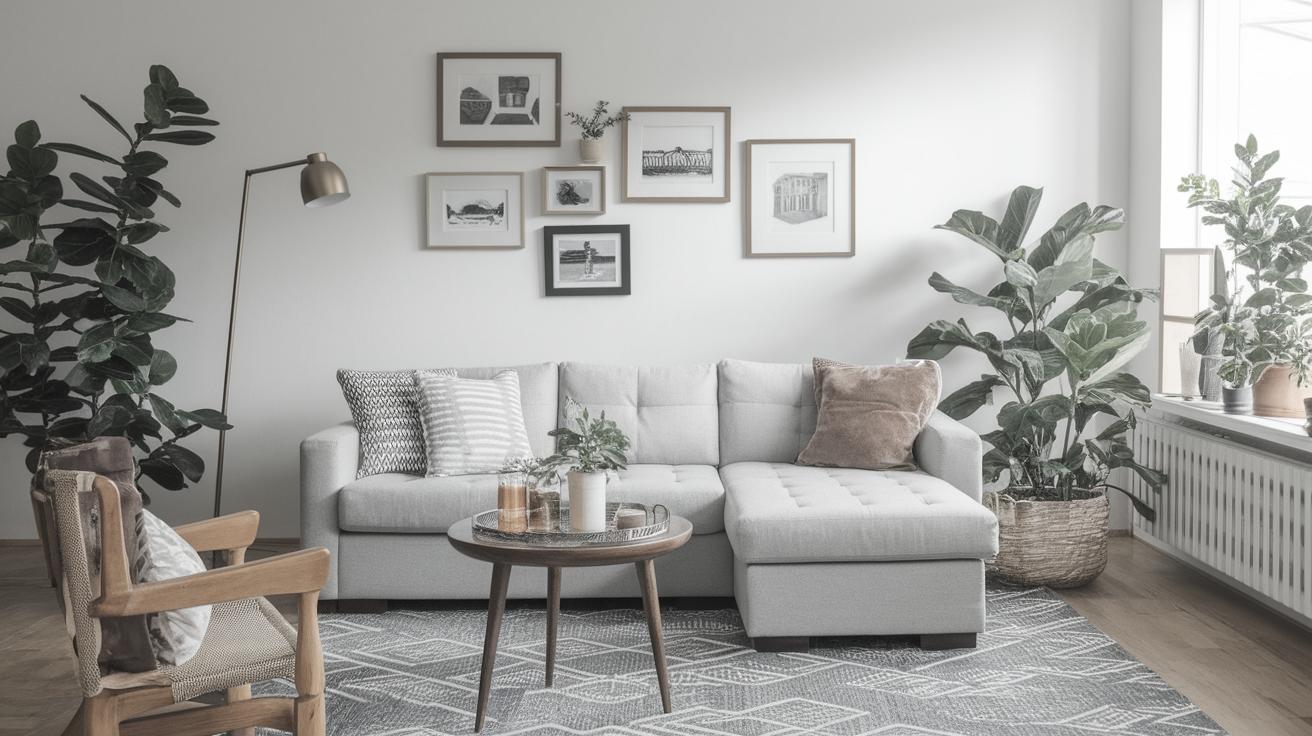
Best Materials for DIY Home Projects
In the world of DIY home projects, selecting the right materials is crucial to ensure both the quality and longevity of your creations. This article explores various materials that are commonly used in DIY projects, each with its own unique characteristics and benefits. Whether you’re crafting furniture, renovating a space, or embarking on creative endeavors, understanding the properties of materials like solid wood, MDF, particleboard, hardboard, and decorative surfaces will greatly enhance your project’s outcome. Dive in and discover which materials best suit your home project needs!
Building Materials
Solid Wood:
Solid wood is a classic choice for DIY enthusiasts due to its strength, durability, and timeless aesthetic appeal. It’s available in a variety of species, each offering unique grain patterns and colors, such as oak, maple, and cherry. Solid wood can be used for a range of projects including furniture, cabinetry, and flooring. One of its standout qualities is the ability to be refinished, allowing it to last for generations and remain adaptable to any décor changes.
Moreover, solid wood is favored for its natural warmth and character, which adds an inviting touch to any home. However, it’s important to consider factors such as cost and susceptibility to moisture; woods like teak and cedar are better suited for outdoor projects due to their resistance to water. When investing in solid wood, always ensure it is sustainably sourced to support environmentally friendly practices.
MDF (Medium Density Fibreboard):
MDF is a popular choice for DIY projects due to its affordability and smooth surface, which is perfect for painting and veneer applications. Made from wood fibers bonded with resin and wax, MDF provides a sleek, seamless finish that is ideal for modern furniture designs and cabinetry. Its uniform texture makes cutting and shaping easy, which is excellent for intricate designs.
Despite its advantages, MDF is not the best option for projects exposed to moisture as it tends to swell. Therefore, it’s more suitable for indoor projects like bookshelves and wall panels. When working with MDF, it’s crucial to use proper protective equipment as its fine particles can be harmful if inhaled during cutting.
Particleboard:
Particleboard is an economical material made from wood chips and sawmill shavings pressed together with resin. It’s a go-to material for budget-friendly furniture and cabinetry. While it’s not as strong as solid wood or plywood, its affordability makes it accessible for various DIY ventures. Particleboard can be finished with veneers or laminate to improve its appearance and durability.
This material is best used in dry areas of the home, as moisture can lead to swelling and structural weakness. If you’re considering particleboard for your next project, it’s essential to seal or paint the surface to protect it from wear and tear. Projects like shelving and compression-fit furniture benefit greatly from the cost-effectiveness of particleboard.
Hardboard:
Hardboard, also known as high-density fiberboard (HDF), is renowned for its impressive strength and density. It is made by compressing exploded wood fibers, resulting in a material that is sturdy and resistant to warping. Hardboard is widely used in creating strong yet thin panels, perfect for use in furniture backs, drawer bottoms, and decorative wall panels.
One of the significant advantages of hardboard is its ability to be finished with paints, veneers, or laminates, adding versatility to its applications. While it’s less suited for structural uses, its smooth surface and durability make hardboard an excellent choice for a variety of creative DIY projects.
Decorative Surfaces
Decorative Surfaces:
Beyond the structural components of your DIY projects, decorative surfaces play a crucial role in affecting the final look and feel of your creation. Options like veneers, laminates, and paint provide the opportunity to customize and enhance the aesthetic appeal of your projects. Veneers, which are thin slices of wood glued onto core panels, offer the richness and beauty of fine wood grain without the cost of solid wood.
Laminates are synthetic layers that provide durability and moisture resistance, making them a smart choice for high-traffic areas or surfaces exposed to water splashes. Choosing the right surface treatment can allow you to refine your project’s style, add colors and patterns, and seamlessly integrate it into your home’s design scheme.
Lessons Learned
| Material | Benefits | Limitations | Ideal Use |
|---|---|---|---|
| Solid Wood | Durable, refinishable, aesthetic appeal | Cost, moisture sensitivity | Furniture, cabinetry, flooring |
| MDF | Affordable, smooth finish | Moisture sensitivity | Cabinetry, wall panels |
| Particleboard | Economical, versatile finishes | Strength, moisture sensitivity | Shelving, budget-friendly furniture |
| Hardboard | Strong, smooth finish | Not for structural use | Furniture backs, decorative panels |
| Decorative Surfaces | Customizable, aesthetic enhancement | Material dependent | Finishing touches on projects |