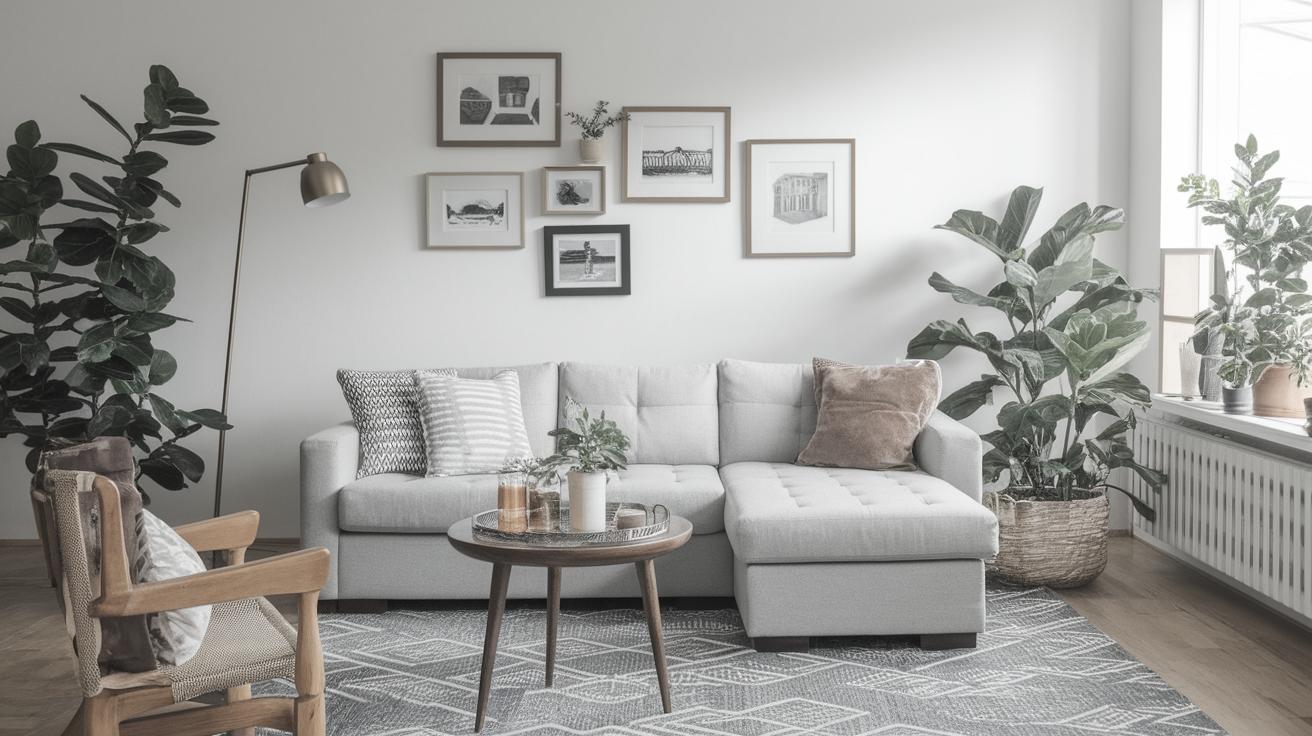
Effective Methods for Reducing Home Allergens
For those who suffer from allergies, their own home can sometimes feel like a battleground. The constant sneezing, itchy eyes, and runny nose can turn the comfort of your living space into a daily struggle. Fortunately, effective methods exist to reduce home allergens and enhance your indoor air quality. By understanding the nature of allergens, recognizing their various sizes and types, and employing strategic control measures, you can create a healthier living environment. In addition, utilizing air cleaning devices and making lifestyle changes can further alleviate symptoms. This blog post aims to guide you through recognizing and controlling indoor allergens, providing actionable steps to ensure you and your family can breathe easily.
Allergies
Allergies are the body’s natural response to substances it considers harmful, even though they might not be toxic. These substances, known as allergens, can trigger symptoms ranging from mild discomfort such as sneezing and itching to severe reactions like anaphylaxis. In a home environment, allergens may be present in numerous forms including dust mites, pet dander, mold spores, and pollen.
Understanding how allergies work is essential for managing them. When an allergen enters the body, it triggers an immune response, which is why some people experience symptoms such as congestion, skin rashes, or respiratory issues. By identifying specific allergens and their sources, you can take proactive measures to reduce exposure and alleviate symptoms. This begins with an understanding of common allergens found inside the home.
How Can I Control Indoor Allergens and Improve Indoor Air Quality?
What Size Are Allergens?
Allergens come in varying sizes, and this size can impact how easily they spread in the home and how they affect individuals. For instance, pollen grains are larger particles that are often visible to the naked eye when gathered in large amounts, while dust mites are microscopic. The size of these particles plays a crucial role in their ability to remain airborne and how they settle on surfaces.
Smaller particulates, such as mold spores, can remain suspended in the air for extended periods, making them more likely to be inhaled. This highlights the importance of air filtration systems in capturing these tiny invaders. Understanding the sizes of different allergens can help in choosing the appropriate methods for controlling them. Effective control often involves reducing both the concentration and size of particles in indoor air.
Is It Possible to Control Indoor Allergens?
Controlling indoor allergens is not only possible, but it’s also essential for maintaining a healthy living environment. The first step to controlling allergens is to identify their sources in your home. Common places to find allergens include carpets, bedding, stuffed toys, and upholstered furniture, all of which can harbor dust mites, mold spores, and pet dander. Additionally, areas with high moisture, such as bathrooms and kitchens, are prone to mold production.
Once the sources are identified, establishing measures to limit exposure is key. This can involve regular cleaning, using allergen-proof encasements for bedding, and employing dehumidifiers in damp areas. Strategic prevention is crucial and might include modifying heating, ventilation, and air conditioning systems to include high-efficiency particulate air (HEPA) filters to trap airborne particles.
Will Air Cleaning Devices Help?
Air cleaning devices can be a highly effective tool in the fight against indoor allergens, particularly for capturing and reducing airborne particles. HEPA filters, for example, are designed to capture at least 99.97% of particles that are 0.3 microns in size or larger, making them especially effective against pollen, mold spores, and dust mites. Depending on their capacity and usage, air purifiers can significantly diminish the concentration of allergens in the air, providing relief to allergy sufferers.
It’s essential to choose an air cleaning device that suits the room size and specific allergen challenges in your home. Moreover, maintaining these devices regularly, such as cleaning and replacing filters, is crucial for their effectiveness. While air cleaners can play a significant role in allergen control, they are most effective when complemented by other methods such as regular cleaning and humidity control.
What Steps Can I Take to Control Indoor Allergens?
Reducing allergens in your home involves a multifaceted approach. One of the simplest yet most effective methods is regular cleaning. This includes vacuuming with a HEPA filter vacuum cleaner, damp mopping floors, and wiping surfaces to remove dust. Washing bedding and curtains frequently in hot water can also help eliminate dust mites and other allergens.
Another critical step is to manage indoor humidity. Keeping humidity levels below 50% can inhibit the growth of mold and dust mites. Using a dehumidifier, improving ventilation, and fixing leaks can help maintain optimal humidity levels. For those with pets, regular grooming and restricting pet access to certain areas can further reduce allergen exposure.
Related Content
If you’re interested in further enhancing your understanding and management of indoor air quality, consider reading about integrated pest management to control allergens from pests, such as cockroaches. Additionally, delving into the best practices for maintaining HVAC systems can provide significant insights into preventing the spread and accumulation of airborne allergens in ducts and vents.
For those with severe allergies, engaging with an allergist for personalized advice can be invaluable. Other related topics include the benefits of hypoallergenic home materials and advanced air quality monitoring systems that offer real-time insights into your home’s air quality, helping you quickly address changes in allergen levels.
Lessons Learned
| Key Aspect | Effective Methods |
|---|---|
| Understanding Allergens | Identify common allergens indoors like dust mites, mold, and pet dander. |
| Size of Allergens | Address both large particles like pollen and microscopic ones like mold spores. |
| Controlling Allergens | Identify sources, regular cleaning, manage humidity, use HEPA filters. |
| Utilizing Devices | Adopt air purifiers, keep filters clean, match devices to room size. |
| Continuous Improvement | Engage with related topics, seek professional advice, embrace technology. |