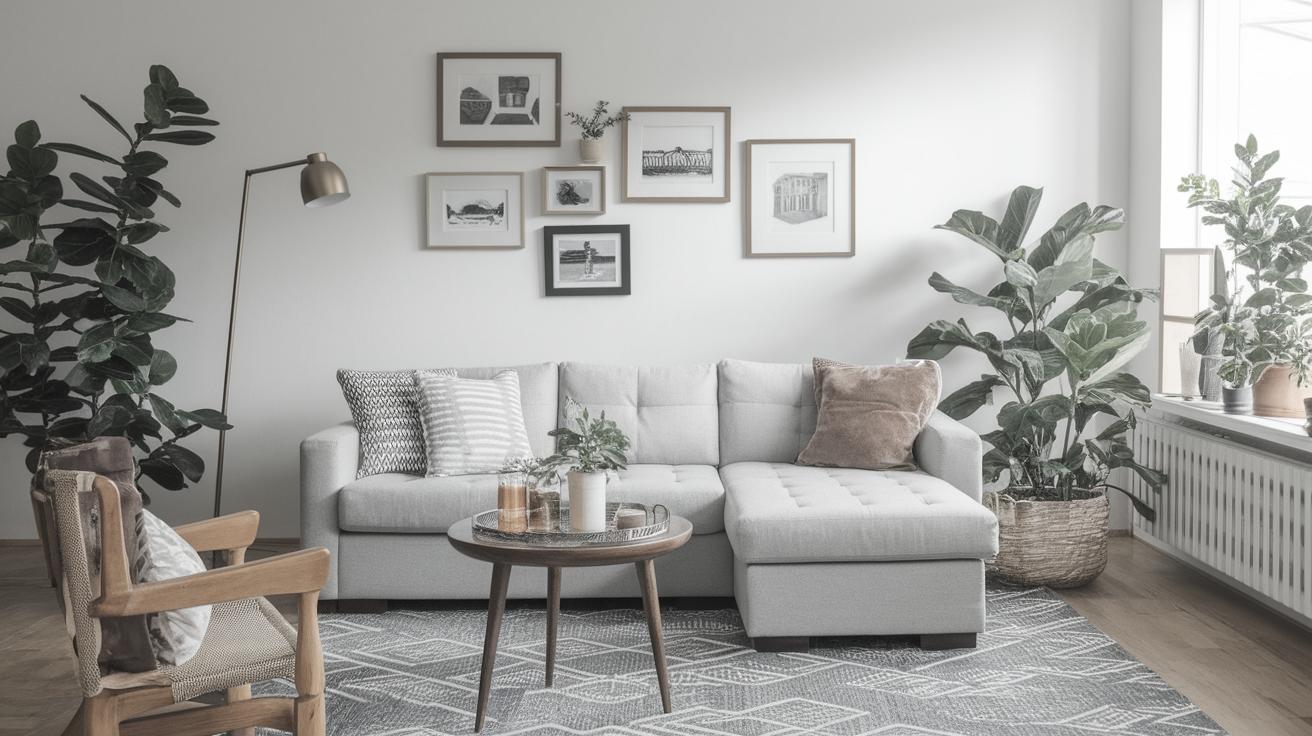
Effective Strategies for Organizing a Home Library
A well-organized home library not only enhances the aesthetics of your space but also improves your reading experience and productivity. From assessing your book collection to finding the right storage solution, creating an efficient and visually appealing library is a rewarding endeavor. This guide will walk you through practical and creative strategies for organizing your home library. Delve into assessing your collection, choosing optimal locations for your books, utilizing vertical spaces effectively, and employing cataloging technology to maintain order. Additionally, learn how to create an inviting library for kids to foster their interest in reading. By the end of this article, you’ll be equipped to design a home library that balances style, function, and promotes a love of reading for years to come.
1. ASSESS YOUR ENTIRE COLLECTION.
The first step in organizing your home library is to assess your entire book collection. Start by gathering all your books in one place, which will help you understand the scope of your collection. Once you have all the books in front of you, sort them into categories such as fiction, non-fiction, reference, and so on. This grouping will give you an overview of where to start in organizing your library.
As you assess your collection, decide which books you still read or find valuable and which ones could potentially be donated or sold. It’s essential to be honest with yourself during this phase; letting go of books you no longer need will free up space and make way for future additions. Consider the condition of each book and whether it holds sentimental or practical value before making a decision.
2. PUT BOOKS WHERE YOU NEED THEM MOST.
Location is key when organizing a home library. Consider placing books where you will use them frequently. For example, cookbooks are best suited for the kitchen, while business books might be more useful near your home office or workspace. Think of your home’s natural flow and try to integrate your bookshelves in a manner that complements your lifestyle.
This strategy not only enhances the accessibility of your books but also makes every room in your home richer with the presence of literature. By integrating books into your everyday spaces, you create a lived-in feel that resonates with personal comfort and intellectual curiosity. This approach also reduces clutter in a single area, making your library organization seem effortless and intuitive.
3. TAKE ADVANTAGE OF VERTICAL SPACE.
Vertical space is often overlooked when it comes to organizing books, yet it offers tremendous opportunity. Tall bookshelves can be practical in fitting more books while conserving floor space, which is especially helpful in smaller homes. Don’t be afraid to build bookshelves up to the ceiling with a ladder for access, if necessary. It gives your collection a grand and cohesive look.
Moreover, vertical space can be enhanced with creative shelving solutions such as floating bookshelves or mounting wall shelves of varying lengths and heights. This not only helps accommodate more books but also adds an artistic element to your home decor. Balance is key; aim for symmetry or playful arrangements to please the eye while remaining functional.
4. GROUP SIMILAR BOOKS INTO SECTIONS AND SUB-SECTIONS.
To maintain an organized library, group similar books together based on genre, author, or theme. This method allows you to find books quickly and keeps the collection orderly. Within each genre, consider subsections such as author name, book series, or publication date for even greater precision.
Another method is arranging books by color. While not as traditional, organizing books by color can offer a stunning visual display and make a bold design statement. Additionally, remember to label your sections subtly and aesthetically to ensure it aligns with your home’s decor without appearing too clinical.
5. TRY A CATALOGING APP.
To add another layer of organization and access, consider using a book cataloging app. These apps can be particularly useful for large collections, allowing you to digitally track your books, including details like title, author, ISBN, and location within your home. This way, you gain a comprehensive overview of your entire library at your fingertips.
Many cataloging apps also offer additional features like wish lists or the ability to tag books with personal notes or reviews. Using technology to manage your home library makes it easy to share with friends, ensure you don’t buy duplicates, and always know what’s available when the reading mood strikes.
6. STRIKE A BALANCE BETWEEN FASHION AND FUNCTION.
While functionality is crucial, aesthetics and style should not be neglected. Choose furniture and shelving that not only house your books effectively but also complement your home’s overall decor. Use bookends as design accents, and incorporate decorative items like framed photos, plants, or collectibles to bring personality to your library space.
Lighting is another critical aspect of a functional yet fashionable home library. Ensure adequate reading light that also highlights the beauty of the book arrangement. It can be wall-mounted lamps, floor lamps, or even LED strips under shelving. The key is to combine utility with beauty for a space that feels inviting and inspiring to read.
7. ORGANIZE KIDS’ BOOKS TO INSTILL A LOVE OF READING.
Instilling a love of reading in children starts with a dedicated and organized library space that is accessible and engaging. Place children’s books on low shelves where they can easily choose and return books by themselves, fostering a sense of independence and ownership over their books.
Consider using a mix of display methods. Face-out book displays can attract children’s attention more effectively than spine-out approaches. Switching out books regularly just before the child’s interest wanes can keep reading fresh and exciting. Incorporate cozy elements like a plush rug or beanbag chair to create a welcoming nook where kids can immerse themselves in their favorite stories.
Lessons Learned
| Strategy | Description |
|---|---|
| Assess Your Collection | Evaluate your books and decide which to keep or let go, making space for future additions. |
| Put Books Where Needed Most | Integrate books into spaces where you use them frequently, enhancing accessibility. |
| Utilize Vertical Space | Maximize storage and artistic appeal by using tall bookshelves and creative shelving solutions. |
| Group Similar Books | Organize books by genre, author, or color to maintain order and ease of access. |
| Use Cataloging Apps | Employ apps to digitally organize and track your collection with ease. |
| Balance Fashion and Function | Create a library space that enhances your home’s decor while offering practical use. |
| Organize Kids’ Books | Encourage reading by making children’s books easily accessible and engagingly displayed. |