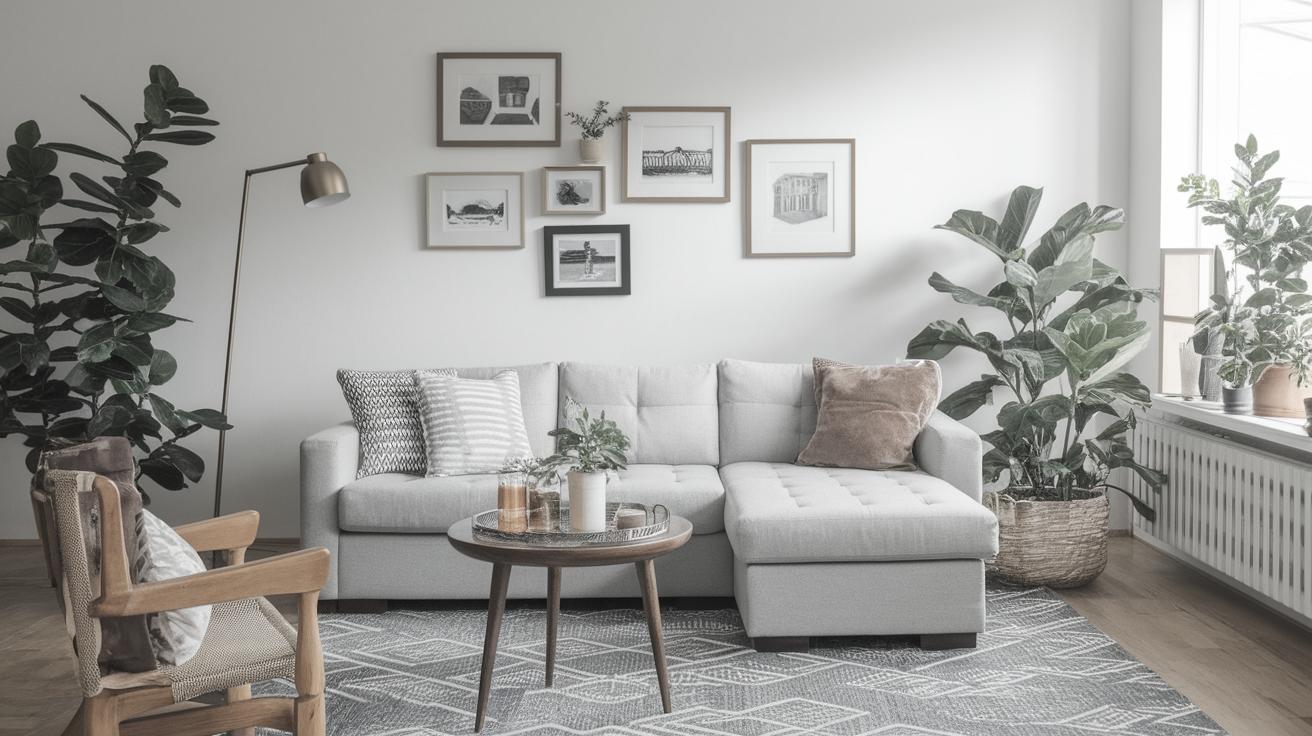
Benefits of Using Indoor Plants for Air Purification
Indoor plants do more than beautify your space; they play a crucial role in purifying the air around you. In our modern, urbanized world, poor indoor air quality can have significant effects on health, leading to allergies, headaches, or fatigue. Integrating the right plants into your living space can help reduce levels of carbon dioxide, pollutant gases, and airborne dust. This article delves into how plants can be your air-cleansing allies, and guides you through selecting easy-to-care-for species and those that thrive with a bit more attention. Further, we will address safety considerations before you choose a plant and complement this guide with additional tips to increase air quality. Reap the benefits of a cleaner, fresher interior with our comprehensive guide.
Plants to the Rescue?
Houseplants have gained popularity not only due to their aesthetic appeal but also because of their natural ability to improve air quality. Certain species absorb carbon dioxide and release oxygen, while some tackle volatile organic compounds (VOCs) such as benzene, formaldehyde, and trichloroethylene, contributing to a healthier indoor environment.
NASA’s Clean Air Study famously highlighted the potential of indoor plants to improve air quality, identifying various species that can act as natural air filters. With pollution levels at an all-time high, it has become essential to seek natural solutions, and indoor plants offer an eco-friendly and cost-effective way to purify the air, promoting overall health and wellbeing in the home.
Safety Concerns Before You Buy a Plant
Before bringing a plant home, consider any allergies or sensitivities among household members and pets. Certain plants may release pollen or have leaves that can cause skin irritation. Additionally, some plants are toxic when ingested by pets or young children, so it’s critical to research plant toxicity levels.
Evaluate the light, temperature, and humidity conditions in your home. Some plants require specific environmental conditions to thrive and perform their air-purifying duties effectively. Ensure your selection matches the care capabilities you can consistently provide.
Plants That Are Easy to Care For
Spider Plants (Chlorophytum comosum)
Spider plants are known for their resilient nature, making them ideal for novice plant owners. They thrive in medium light conditions and require minimal watering, making them an excellent choice for busy individuals or those new to plant care. Spider plants efficiently absorb pollutants such as formaldehyde and xylene.
Their unique appearance, with arching leaves and small plantlets, adds a touch of greenery to any interior without demanding much maintenance. Place them in hanging baskets or on shelves to maximize their aesthetic and functional benefits.
Dracaenas
Available in various types, Dracaenas are appreciated for their ability to flourish under different light conditions. They are particularly adept at removing pollutants like benzene, formaldehyde, and trichloroethylene. Their striking architectural form adds a contemporary touch to any room.
Dracaenas are low-maintenance, requiring moderate watering and indirect sunlight, making them a versatile choice for those who want both beauty and function without complex care routines.
Golden Pothos (Epipremnum aureum)
Golden Pothos, also known as Devil’s Ivy, is famous for its air-purifying capabilities and ease of care. They thrive in various lighting conditions, from low to bright, indirect light, and can even withstand occasional neglect when it comes to watering.
This plant is effective in filtering formaldehyde and other toxins, making it a popular choice for improving indoor air quality. With its trailing vines, Golden Pothos can be placed in hanging pots or allowed to climb a trellis.
Areca Palms (Chrysalidocarpus lutescens)
Areca palms are one of the top-rated air-purifying plants according to NASA. Known for their graceful, feathery fronds, they add a tropical vibe to indoor spaces. Areca palms excel at filtering pollutants like xylene and toluene.
They thrive in indirect light and require regular watering, making sure their soil remains moderately moist. They also act as natural humidifiers, providing added value to dry environments.
Chrysanthemums (Chrysanthemum morifolium)
Not just visually stunning, Chrysanthemums are outstanding air purifiers. They are particularly effective at removing benzene and ammonia from the air, contributing significantly to a healthier home atmosphere.
These plants prefer bright, indirect sunlight and require ample water to sustain their blooming phase. With proper care, they present colorful blossoms, enhancing both the visual and air quality aspects of your home.
Plants That Need a Little Extra Love
Bamboo Palms (Chamaedorea seifrizii)
Bamboo palms are unparalleled in their ability to improve indoor air quality, proficiently removing trichloroethylene and benzene. These palms appreciate warm temperatures, indirect sunlight, and a consistent watering schedule to flourish.
While they do require a bit more attention compared to others, the aesthetic and functional benefits they offer, alongside their stature as excellent humidifiers, make them worth the effort for dedicated plant enthusiasts.
English Ivy (Hedera helix)
English ivy is a versatile plant that can grow in various forms, such as trailing from a pot or covering a topiary. Known for its ability to reduce mold, English ivy efficiently cleans air of formaldehyde and other harmful substances.
It thrives in medium sunlight and requires regular misting to maintain proper humidity. This plant is ideal for those seeking a more sculptural and unique touch, while being mindful of moisture management.
Rubber Plants (Ficus elastica)
Rubber plants are recognized for their glossy foliage and air-purifying prowess, effective at eliminating a range of toxins. They prefer bright, filtered light and require regular watering to maintain their vibrant leaves.
Although slightly more demanding in care, such as regular leaf cleaning to remove dust, rubber plants are rewarding for their ability to substantially improve indoor air and add lush greenery to decor.
Chinese Evergreen (Aglaonema)
Chinese Evergreens are striking and hardy, known for their impressive tolerance to shady conditions and ease of care. They effectively filter indoor pollutants, such as benzene and formaldehyde, common in domestic environments.
With their broad, patterned leaves, these plants do best in warm, humid conditions but are quite forgiving, making them an ideal choice if you can maintain a consistent care routine.
Peace Lilies (Spathiphyllum)
Peace lilies are famous for their pristine white blooms and their excellence in removing alcohols, acetone, and other pollutants from the air. They are low-maintenance, requiring low, indirect light and weekly watering to thrive.
Although non-toxic to humans, peace lilies can cause mild toxicity in pets, so it’s important to place them out of reach of curious animals. Their air-purifying efficiency combined with an elegant appearance makes them a popular choice.
More Ways to Purify the Air in Your Home
While plants are a fantastic solution, there are other means to enrich your home’s air quality. Proper ventilation is essential, such as regularly opening windows to allow air circulation or using exhaust fans in areas prone to moisture or odors. Utilizing air purifiers with HEPA filters can significantly reduce airborne particulates.
Incorporating materials and furnishings that have low VOC emissions, controlling humidity levels with dehumidifiers, and regularly cleaning your home can also mitigate sources of indoor pollution. Combining these efforts with the presence of air-purifying plants creates a comprehensive strategy for a healthier living environment.
Summary of Main Points
| Aspect | Details |
|---|---|
| Easy to Care Plants | Spider Plants, Dracaenas, Golden Pothos, Areca Palms, Chrysanthemums |
| Plants Needing Extra Care | Bamboo Palms, English Ivy, Rubber Plants, Chinese Evergreen, Peace Lilies |
| Additional Air Purification Methods | Improve ventilation, use air purifiers, reduce VOC emissions, manage humidity, regular cleaning |