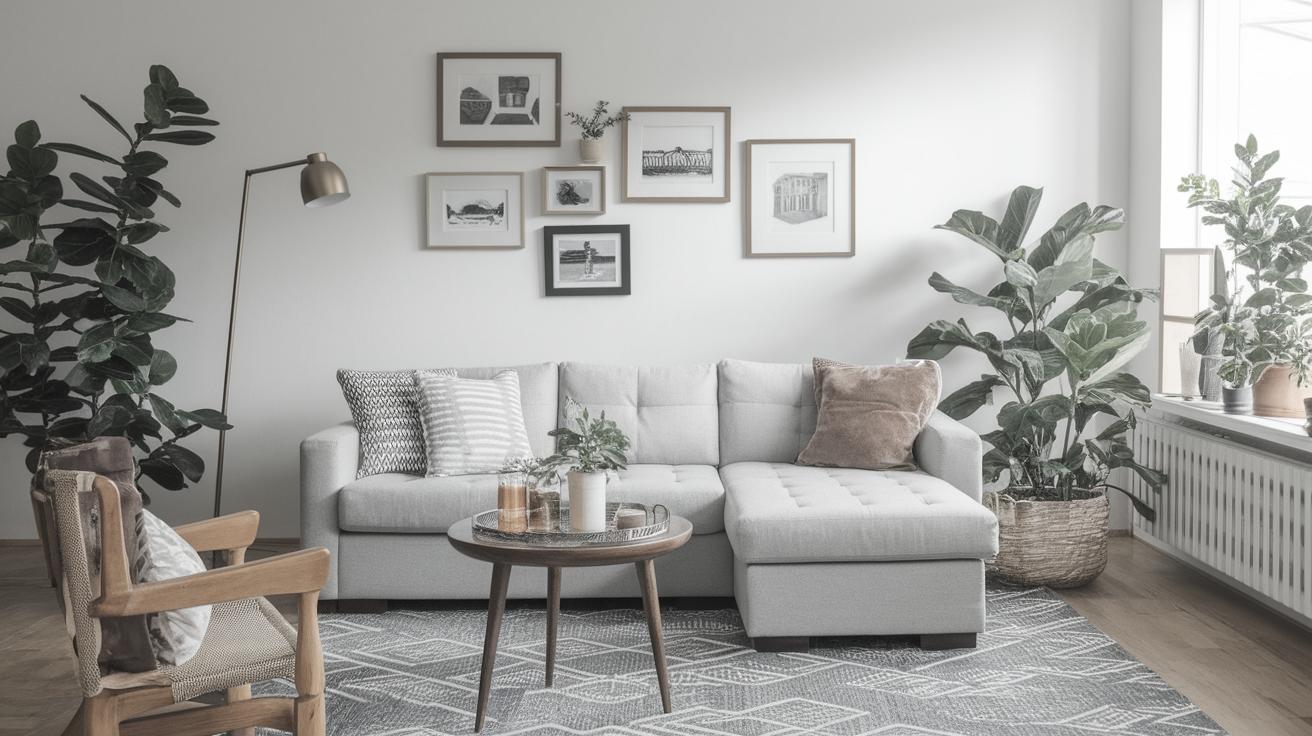
How to Implement Minimalist Home Organization Strategies
Minimalist home organization is more than just a trend; it’s a lifestyle that encourages us to focus on what truly matters by eliminating clutter and excess. In this guide, we walk you through an A to Z decluttering strategy designed to bring simplicity and order back into your home. From determining where you are to inveterate clutter, figuring out where to begin, and choosing the right strategies, each section of this blog post provides valuable insights and actionable steps. With additional resources and personal reflections, this comprehensive manual will help you create a space that reflects peace and functionality. Get ready to embark on your minimalist journey, sharpen your decision-making skills, and enjoy the rewards of a decluttered life.
The first thing in this A to Z decluttering strategy: we need to do is figure out where you are
Before diving headfirst into decluttering, it’s vital to assess your current situation. Understanding the level of clutter and disorganization in your home sets the foundation for successful minimalist strategies. Begin by taking a mental inventory of your space. Identify areas prone to clutter, whether it’s a disordered closet, overflowing kitchen drawers, or a chaotic home office.
Once you’ve identified the troublesome spots, pause to reflect on how they impact your daily life. Ask yourself how these areas affect your mood, productivity, and overall sense of well-being. Awareness of where you are allows you to tailor a decluttering strategy that focuses on both immediate relief and long-term efficiency.
Next, WHERE are you going to start decluttering
Choosing where to begin can feel overwhelming, but starting with high-impact areas can motivate you to continue the process. Consider spaces that see the most use or are central to your daily activities. The kitchen and living room, for instance, are often great starting points as they accumulate clutter quickly and impact daily routines.
If those areas feel daunting, start small. Tackle a single drawer or a specific shelf. This scoped approach builds momentum and confidence as you experience the immediate benefits of a clutter-free zone. Remember, the goal is progress, not perfection.
Strategy: prep for success when decluttering A to Z
Preparation is key in facilitating an effective decluttering session. Gathering essential supplies—such as trash bags, donation boxes, and cleaning agents—ensures a seamless transition as you sort through items. Additionally, allocate a specific time slot for decluttering to promote commitment and focus.
Consider setting a timer to instill a sense of urgency and prevent burnout. Decluttering requires energy and decision-making skills, and setting clear boundaries helps maintain pace without feeling overwhelmed. Enlist family members or friends for additional support and motivation.
A to Z decluttering strategy steps 1, 2, 3
Step 1 involves assessing each item for its purpose and utility. Evaluate whether it genuinely serves a role or merely takes up space. Being honest with yourself in this stage is crucial for meaningful downsizing. Step 2 focuses on categorizing items into ‘Keep’, ‘Donate’, or ‘Discard’ piles.
Step 3, the final step in this strategy, emphasizes action. After sorting, immediately allocate the discard items to the trash and box up donations for delivery. Completing these actions prevents second-guessing. Remember, the objective is to continuously push toward a cleaner, more organized space.
Quick decisions in practice
Minimalism often champions speedy decision-making to avoid dwelling on emotional connections with objects. Direct questions like, “Have I used this in the past year?” help distinguish between sentimental value and actual necessity.
Practice makes perfect in this area, so challenge yourself to extend quick decisions to all parts of your home. With time, you’ll find that these immediate judgments not only quicken the decluttering process but also sharpen your ability to discern what truly holds value.
Questions to declutter the easy way
Simplifying the decision-making process can be achieved by asking purposeful questions. Consider applying prompts like, “Does this item enhance my living space?” or “Is this something I’m excited to keep?”
Such questions streamline thought processes and prevent the stagnation typically caused by overanalyzing. Creating a list of standard questions ahead of time provides clarity during times of uncertainty, making the decluttering task more straightforward and manageable.
Swedish Death Cleaning questions
Swedish Death Cleaning introduces a unique perspective on decluttering by emphasizing the legacy items we choose to keep. Questions like, “Will anyone be burdened by keeping this after I’m gone?” encourage a long-term view of memory-keeping and possession management.
Embracing this methodology invites individuals to pare down to essentials, focusing on legacy and the ease of living presently. Reflecting on the true significance of objects aids in making decisions that celebrate life’s meaningful elements.
Can’t decide? No problem!
Decision paralysis is common in decluttering. To combat this, introduce a ‘Maybe’ box where ambiguous items are placed. Set a reminder to revisit this box after a predetermined period.
If you haven’t needed or thought about an item separated in a ‘Maybe’ box, this indicates it’s okay to let go. Implementing this technique alleviates indecision and provides a buffer for uncertain feelings.
Go through your house, room by room
A systematic approach to decluttering involves tackling each room methodically. Progressing room by room helps maintain focus and allows for a series of small victories that cumulatively lead to a profound home transformation.
Start with the most cluttered room if you’re feeling ambitious, or begin with the easiest if you need encouragement. A structured timetable can guide efforts and ensure that no room is left unattended during the decluttering endeavor.
Sort it–NOW
Immediate sorting of items instills a decisive mindset. As you move through each space, try to handle items just once to determine their fate, reducing the temptation to postpone decisions.
Implementing the ‘one-touch rule’ in sorting speaks to the efficiency of choosing the next action in an item’s life promptly. Such decisiveness gradually improves organizational skills and minimizes clutter reappearance.
After you declutter
The post-decluttering phase is critical for maintaining minimalism. Develop a maintenance routine that focuses on continually evaluating new possessions and establishing rules that prevent accumulated clutter from returning.
In addition, reward yourself for achieving decluttering milestones. Celebrating these successes reinforces the value and satisfaction of living a minimalist lifestyle, encouraging ongoing decluttering efforts.
Related Resources
Here are 50 things to declutter from your kitchen without thinking twice!
- Expired food items
- Excess plastic containers
- Chipped or mismatched dishware
- Old or unused kitchen gadgets
- Duplicate utensils
Check out my Youtube video about this whole process.
For a more detailed view and additional tips on implementing a minimalist home organization strategy, visit my Youtube channel. Witness the transformation process in real-life scenarios and gather inspiration for your journey toward a clutter-free home.
Future Prospects
| Step | Action | Benefits |
|---|---|---|
| Identify Clutter Areas | Assess and note problematic spots | Builds awareness and strategic focus |
| Choose Start Point | Begin with impactful areas | Enhances immediate motivation |
| Sort and Categorize | Divide items into Keep, Donate, Discard | Creates organization and clears space |
| Establish Maintenance | Routine checks and organized habits | Ensures long-term minimalism success |