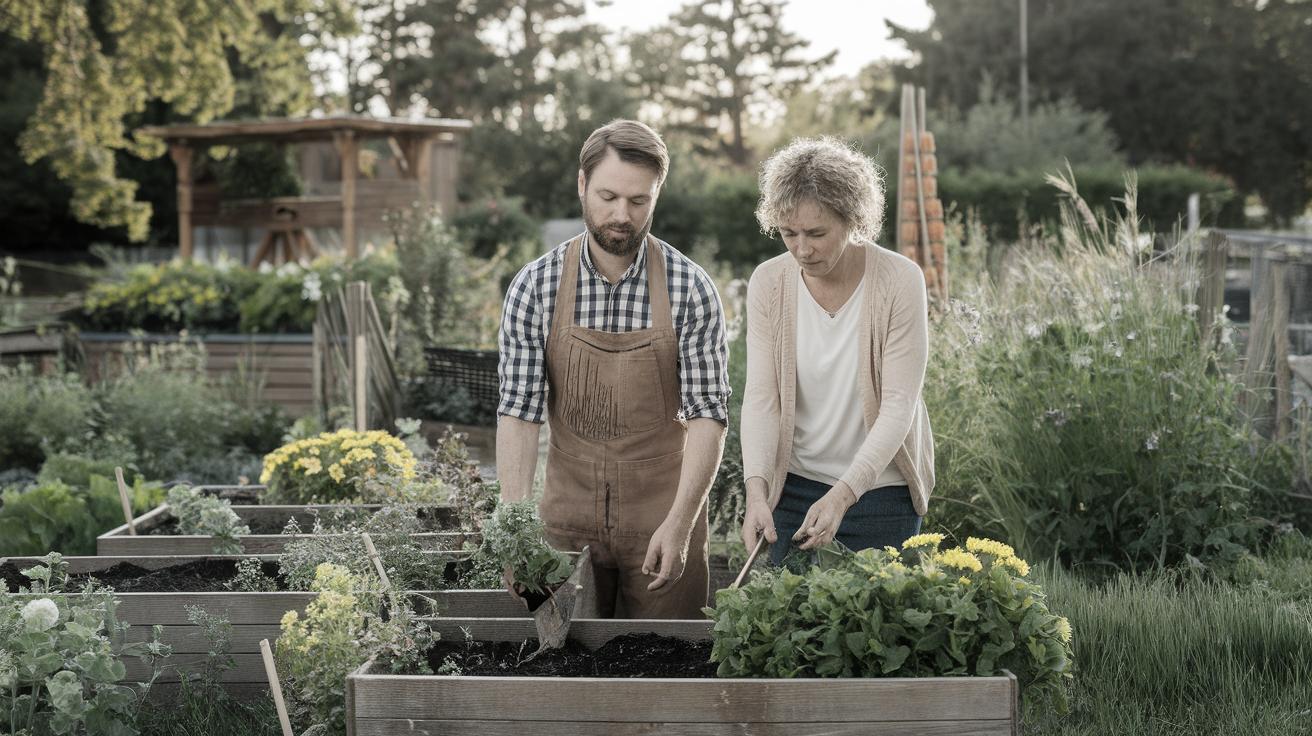
How to Create a Child-Friendly Garden
Creating a garden that is both beautiful and safe for children can be a rewarding project for any parent or guardian. This blog post delves into actionable steps any family can take to transform their outdoor space into a child-friendly haven. From designating the right area to including kids in plant selection and understanding safety measures, each step provides insight into cultivating a nurturing environment. This guide caters to those with a budding interest in gardening and focuses on establishing a space where children can explore and interact with nature, all while ensuring their safety and engagement. Follow this step-by-step guide to create a vibrant and educational garden that your children will adore.
Related To:
The concept of creating a child-friendly garden is closely related to fostering an environment that encourages exploration, creativity, and a connection with nature. It taps into the broader movement of experiential learning and sustainability. A child-focused garden is more than just a patch of land; it’s a lifestyle choice that aligns with the growing trend towards eco-friendly living and holistic child development.
Moreover, by engaging children in gardening activities, parents can strengthen family bonds and create lasting memories. This approach integrates aspects of education, responsibility, and physical activity, contributing positively to a child’s mental and physical health.
Step 1: Stake a Claim
The first step in creating a child-friendly garden is to decide on a suitable area. Choose a location that offers good sunlight, is easily accessible, and safe from potential hazards like pools or sharp gardening tools. Consider the size of your yard and what sections are most appealing for a child’s use. It’s essential to establish a defined space so that children can have a place they know is theirs for creativity and exploration.
Once you’ve chosen the area, involve your children in mapping out what they’d like to have there. It could be a mix of playing areas, climbing structures, and plant beds. Providing them with a sense of ownership from the very beginning can significantly increase their interest and involvement in maintaining the garden.
Step 2: Let the Children Choose What to Grow
The next step is engaging children in selecting what plants to grow. This practice not only educates them about different plant species but also gives them a sense of accomplishment once they see their plants thriving. Opt for seeds that are easy to grow and maintain. Sunflowers, beans, and cherry tomatoes are excellent starting points because they bring quick and visual results.
Besides just picking plants, encourage them to explore, plot, and even decorate the plant beds creatively. This can spark their imagination and provide a hands-on learning experience. Allow them to express themselves through colors, shapes, and varied plant selections, which also opens the door to conversations about biodiversity and the plant life cycle.
Step 3: Children Love Hiding Places
Children adore spaces that they can call their secret garden or a private hideout. Incorporate small Teepees or garden tunnels where kids can escape into their world of adventures. Also consider tall sunflowers or dense shrub clusters that create natural nooks. Such additions provide not only fun but also an educational backdrop where children can engage in storytelling or quiet reflection.
Design these spaces with natural materials and ensure they are stable and safe. Remember, a welcoming hideout should be weather-appropriate and free from pests. Utilize cloth, sticks, or even certain types of trailing plants to create enchanting and safe hideaways within the garden.
Step 4: Consider Herbs
Herbs present a fantastic introduction to gardening for children as they are generally hardy, rewarding, and stimulate the senses. Varieties such as mint, basil, and thyme are excellent choices due to their strong, pleasant aromas and ease of cultivation. Children will enjoy being able to feel, smell, and eventually taste the fruits of their labor.
Integrating herbs into your garden can also lead to culinary exploration, allowing children to understand the farm-to-table concept. Teach them about the uses of each herb in cooking or simple home remedies. This can lead to a broader interest in self-sustainability and healthy eating habits from a young age.
Step 5: Beware of Toxic Plants
While planning your child-friendly garden, it is crucial to educate yourself and your children about toxic plants. Plants like oleander, castor bean, and certain types of ivy can pose serious health risks if ingested or touched. Research beforehand and remove any hazardous plants from accessible areas.
Take this as an opportunity to teach your children about plant safety and identification. Show them how to recognize different plant species and explain why certain plants are off-limits. This knowledge is invaluable and can prevent accidents, ensuring that your garden remains as safe as it is enjoyable.
Child Planting Tomatoes.
Encourage your child to plant tomatoes, a beloved and rewarding choice in a child-friendly garden. Tomatoes are not only easy to grow but also offer delicious and appealing fruits that children will be proud of. Begin by showing them how to plant seeds or seedlings in rich, well-drained soil. Teach them the importance of regular watering and sunlight.
The process of caring for tomato plants and eventually harvesting the fruit can be immensely satisfying for young gardeners. This activity not only nurtures responsibility but also enhances their understanding of plant growth cycles and the importance of fresh produce in our diets.
Lessons Learned:
| Step | Key Takeaway |
|---|---|
| Stake a Claim | Select a safe, sunny area and involve children in planning out their garden space. |
| Let the Children Choose What to Grow | Engage children in selecting and planting easy-to-grow plants; personalize plots for increased interest. |
| Children Love Hiding Places | Create enchanting hideaways using natural materials to spark imagination and provide fun spaces. |
| Consider Herbs | Introduce herbs to stimulate the senses and teach about culinary uses and sustainability. |
| Beware of Toxic Plants | Research and remove hazardous plants; educate children on plant safety. |