Aesthetic Garden Layouts: A Comprehensive Guide
Creating an aesthetically pleasing garden layout involves more than just planting a few flowers. It requires thoughtful planning and a keen eye for design that incorporates varying heights, textures, colors, and functionality. In this guide, we will explore essential strategies to transform your garden into a picturesque oasis. From planning your garden to incorporating both ornamental and edible plants, and the benefits of using native plants, each section will provide valuable insights. Whether you’re a seasoned gardener or a beginner, these principles will help you achieve a balance of beauty and function in your outdoor space.
Plan Before You Plant
The first step in creating an aesthetically pleasing garden is to plan your layout carefully. Consider the space you have and think about how you intend to use it. Will it serve as a tranquil retreat, a lively family gathering space, or a sustainable food source? Your goals will influence the design elements you incorporate. Drafting a preliminary sketch can be incredibly helpful; it allows you to visualize the arrangement of plants, pathways, and other features before any ground is broken.
When planning, pay attention to sunlight patterns and the quality of your soil, as these will dictate where certain plants will thrive. Investing in soil testing can provide you with useful data on nutrient levels, pH balance, and drainage capacity, helping you choose the right plants for your garden’s specific conditions. Additionally, consider water resources and how you can implement efficient irrigation systems to conserve water while maintaining a lush landscape.
Diversify Heights, Textures, and Colors
A garden that captivates and intrigues often incorporates a dynamic mix of plant heights, textures, and colors. Begin by choosing a variety of plants that will create layered heights—from low-growing groundcovers and medium-height shrubs to taller trees and climbing vines. This variety not only adds an architectural element but also creates depth and visual interest.
Textured foliage plays a pivotal role in offering visual contrast and complexity. Pairing plants with different leaf shapes and surfaces—such as smooth, feathery, or spiky textures—can elevate the overall aesthetic. This principle extends to color as well, where a harmonious blend of vibrant and muted tones can evoke emotions and complement the exterior features of your home. Use color theory to design a palette that will shine across different seasons.
Plant Flowers for Pops of Color and Beauty
Flowers are a garden’s natural embellishments, providing bursts of color and infusing the space with beauty and fragrance. When selecting flowers for your garden, consider their bloom periods and how they will fit into your overall layout. Opt for perennial flowers for long-term beauty, and mix in annuals to refresh and change the dynamic of your garden from year to year.
Arrange flowers in clusters to mimic the spontaneity of nature. This approach not only makes individual blooms stand out but also creates a natural look that is pleasing to the eye. Group blooms by color families or contrast them strategically to craft focal points that guide the viewer’s eye through the space. Functional considerations, like their attraction to pollinators, can also play a part in the selection process.
Incorporate Edible Plants
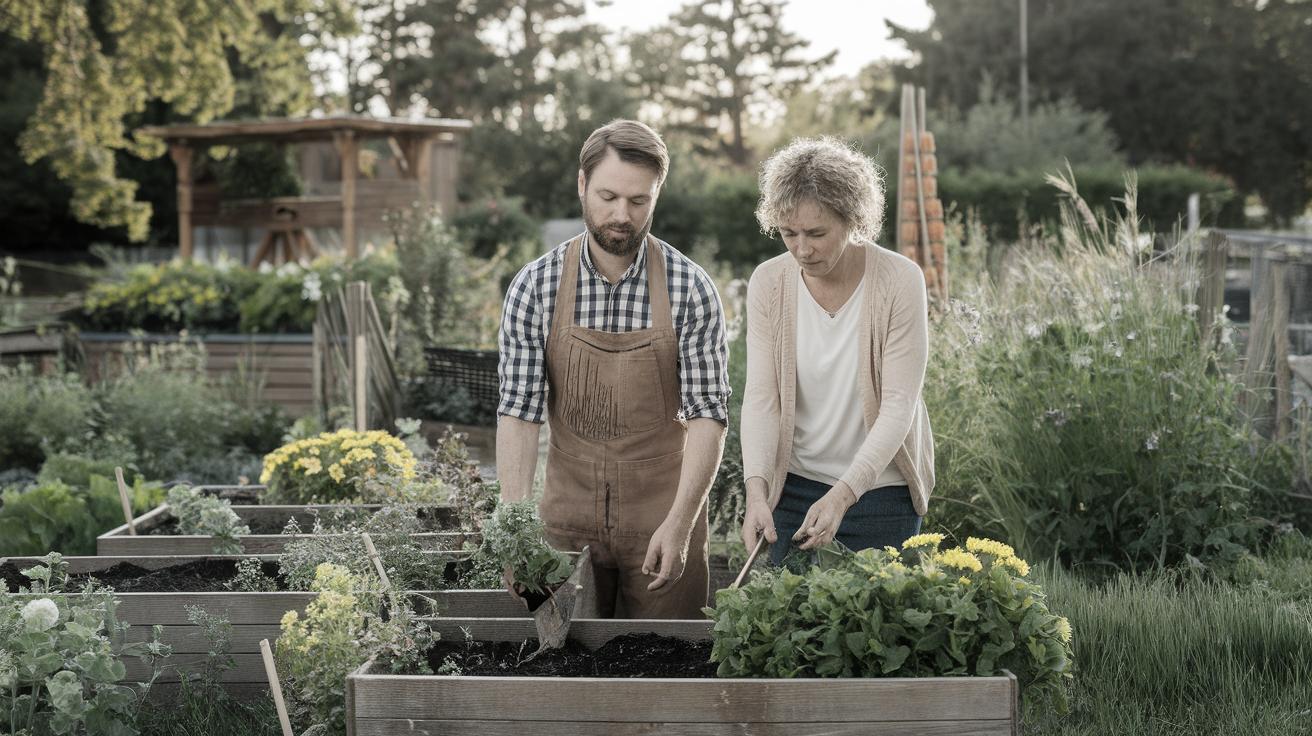
Integrating edible plants into your garden design adds both visual appeal and practicality. Edible plants like herbs, vegetables, and fruit trees offer a dual benefit—they enhance your garden’s aesthetic while providing fresh produce. Consider strategically placing these plants around pathways or as borders to ensure easy access and care.
The inclusion of edible plants need not compromise aesthetic values. Many vegetables and herbs boast intriguing shapes and vibrant colors that pair beautifully with ornamental plants. For example, the lush greenery of basil or the deep purples of eggplants can provide rich contrast, while strawberries can be used as a charming, low-growing ground cover that is as pretty as it is productive.
Use Native Plants
Incorporating native plants can greatly enhance the sustainability and adaptability of your garden. Native species are ideally adapted to the local climate and soil conditions, rendering them more resilient to pests and diseases. By opting for native plants, you not only ensure the longevity of your garden but also aid in preserving the local ecosystem and attracting native wildlife.
Native plants often require less maintenance and are typically more drought-resistant, making them a cost-effective choice for environmentally conscious gardeners. They come in a variety of all shapes, textures, and colors, allowing them to blend seamlessly into a curated garden design. Moreover, native plants contribute to biodiversity, ensuring a healthy and thriving garden that supports a range of local pollinators and fauna.
Next Steps
| Category | Key Points |
|---|---|
| Plan Before You Plant | Determine garden goals, draft layout, consider sunlight and soil conditions, plan irrigation. |
| Diversify Heights, Textures, and Colors | Layer heights, vary textures, create a color palette for visual interest. |
| Plant Flowers for Pops of Color and Beauty | Choose perennial and annual blooms, arrange in clusters for natural beauty. |
| Incorporate Edible Plants | Blend edible and ornamental plants, utilize herbs and vegetables for beauty and function. |
| Use Native Plants | Opt for sustainability, feature plants adapted to local conditions, support local fauna. |