Effective Ways to Conserve Water in the Home
Water conservation is essential for preserving resources and minimizing the environmental impact of excessive consumption. Implementing effective water-saving techniques at home not only helps in reducing utility bills but also contributes significantly to global sustainability efforts. In this article, we explore various strategies to conserve water both indoors and outdoors. Topics include fixing leaks, optimizing water use in the bathroom and kitchen, efficient laundry practices, maintaining a water-wise yard, and utilizing energy-saving mechanisms related to water use. Finally, we emphasize the importance of looking for certified water-saving products to ensure long-term savings. With mindful adjustments and strategic planning, every household can make a substantial difference in water conservation.
Save Indoors
Fix a leak:
Small leaks can lead to significant water waste over time. One of the simplest ways to conserve water is to regularly check for and repair leaks in pipes, faucets, and toilets. Often, these leaks can go unnoticed, and even a minor drip can waste gallons of water per day. By regularly inspecting plumbing fixtures and promptly addressing any issues, homeowners can significantly reduce water waste.
Employing some basic DIY skills can often suffice in fixing minor leaks. However, for more significant or hard-to-reach leaks, it’s advisable to consult a professional plumber. Investing time and money in maintaining plumbing systems can yield significant water savings and prevent potential water damage to your home.
In the bathroom—where over half of all water use inside a home takes place:
The bathroom is a primary hub for domestic water use. To conserve water efficiently, consider installing low-flow showerheads and faucet aerators. These devices reduce water flow without sacrificing performance, allowing households to save gallons of water with each use. Additionally, opting for dual-flush toilets can further enhance water savings, as they allow for different levels of water use depending on the requirement.
Simple behavioral changes can also make a significant difference. Reducing shower time, turning off the tap while brushing teeth, and using a wastebasket for disposing of tissues and other small waste items instead of flushing can contribute significantly to conserving water.
In the kitchen—whip up a batch of big water savings:
The kitchen presents various opportunities to conserve water efficiently. For instance, use appliances like dishwashers and washing machines only with full loads to ensure optimal water usage without any wastage. Additionally, investing in water-efficient appliances when upgrading can lead to long-term savings.
When washing dishes manually, fill one basin with wash water and another with rinse water instead of letting the tap run. Also, plan meals that require minimal water for preparation, and consider using the water from boiling or steaming vegetables to water plants, as it is rich in nutrients.
In the laundry room—where you can be clean AND green:
Modern washing machines often come equipped with eco-friendly settings that use less water while maintaining cleaning performance. By selecting these settings and washing only full loads, you conserve water and energy simultaneously. If your appliance needs replacement, considering Energy Star-rated models can be a smart move reducing your environmental footprint.
Consider using a clothesline instead of a dryer to conserve energy that indirectly contributes to water conservation. Natural air-drying not only saves power but also extends the lifespan of clothing by reducing wear and tear from machine drying.
Save Outdoors
In the yard—be beautiful and efficient:
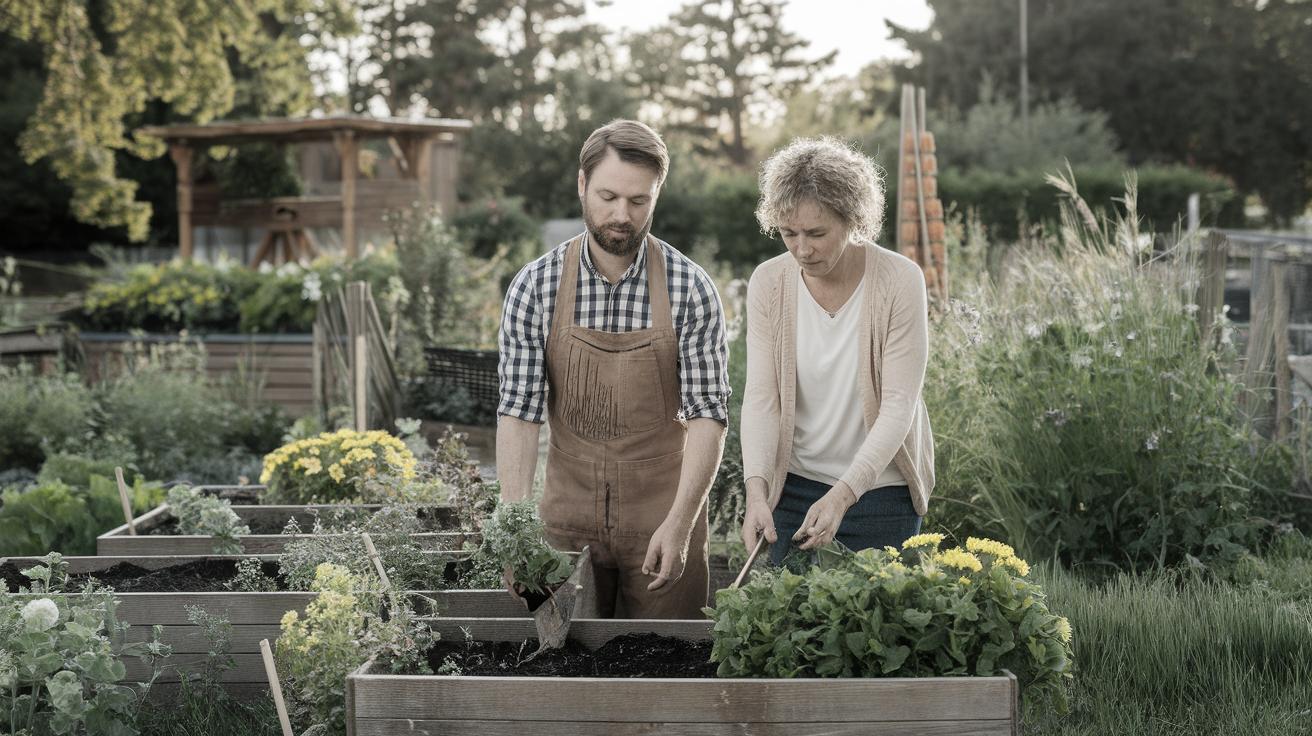
An eco-friendly landscape not only beautifies your property but also conserves water. Consider planting drought-resistant plants and grasses that require minimal water for thriving. Implementing a smart irrigation system, like drip or soaker hoses, ensures water is applied directly to the roots, minimizing evaporation and runoff.
Adjust your watering schedule to the early morning or late evening hours to reduce the rate of evaporation. Regularly inspect your irrigation system for leaks or overwatering areas to optimize water distribution.
Other outdoor uses—drop that hose and keep it covered:
Using hoses mindfully or substituting with a broom for cleaning driveways and sidewalks can lead to significant water savings. A single hose left running can waste hundreds of gallons of water quickly. Furthermore, covering pools when not in use significantly reduces evaporation and the need for refilling.
Consider rainwater harvesting systems to utilize natural rain for your irrigation needs. These systems can be easily installed and effortlessly tap into one of the most natural water resources, further reducing reliance on municipal water for outdoor uses.
Drop it when it’s hot:
It’s essential to limit activities that involve water usage during peak heat zones of the day. More water evaporates in sunlight, necessitating more frequent usage for activities like watering plants or filling pools. By avoiding midday watering, you’ll maximize water absorption while minimizing loss through evaporation.
Similarly, try to adjust outdoor cleaning activities, such as washing cars or patios, to cooler parts of the day, ensuring less water usage and optimal results.
Save Energy
Drops & Watts: You Can’t Have One Without the Other
Saving water often translates directly into energy savings, as the treatment and transportation of water require significant energy resources. Using cold water for laundry and minimizing the use of hot water taps where possible reduces the load on water heaters, decreasing energy consumption.
Investing in solar water heaters or high-efficiency models can further enhance energy savings. These investments optimise water use by leveraging renewable energy sources, decreasing reliance on conventional power grids.
Look for the Label and Save.
Water-efficient products with labels such as WaterSense or Energy Star indicate that they meet specific criteria for conserving water without compromising performance. Prioritizing these products in your home can dramatically reduce water consumption across various activities.
Incorporating labeled products ensures compliance with the highest standards of efficiency, providing peace of mind alongside environmental benefits. This proactive approach enables the sustainable use of water while supporting broader conservation efforts.
Future Prospects
| Topics | Strategies |
|---|---|
| Save Indoors | Fix leaks, optimize bathroom and kitchen water use, efficient laundry. |
| Save Outdoors | Efficient irrigation, mindful use of hoses, water scheduling. |
| Save Energy | Leverage renewable sources, minimize hot water utilization. |
| Label Usage | Adopt WaterSense or Energy Star products. |